Errand Route Optimization: Proven 2025 Guide [Save 40%]
Cut errands 30–50% with Errand Route Optimization: Turn Weekly Chores into High-Efficiency Micro-Sprints and reclaim hours. Read the expert analysis
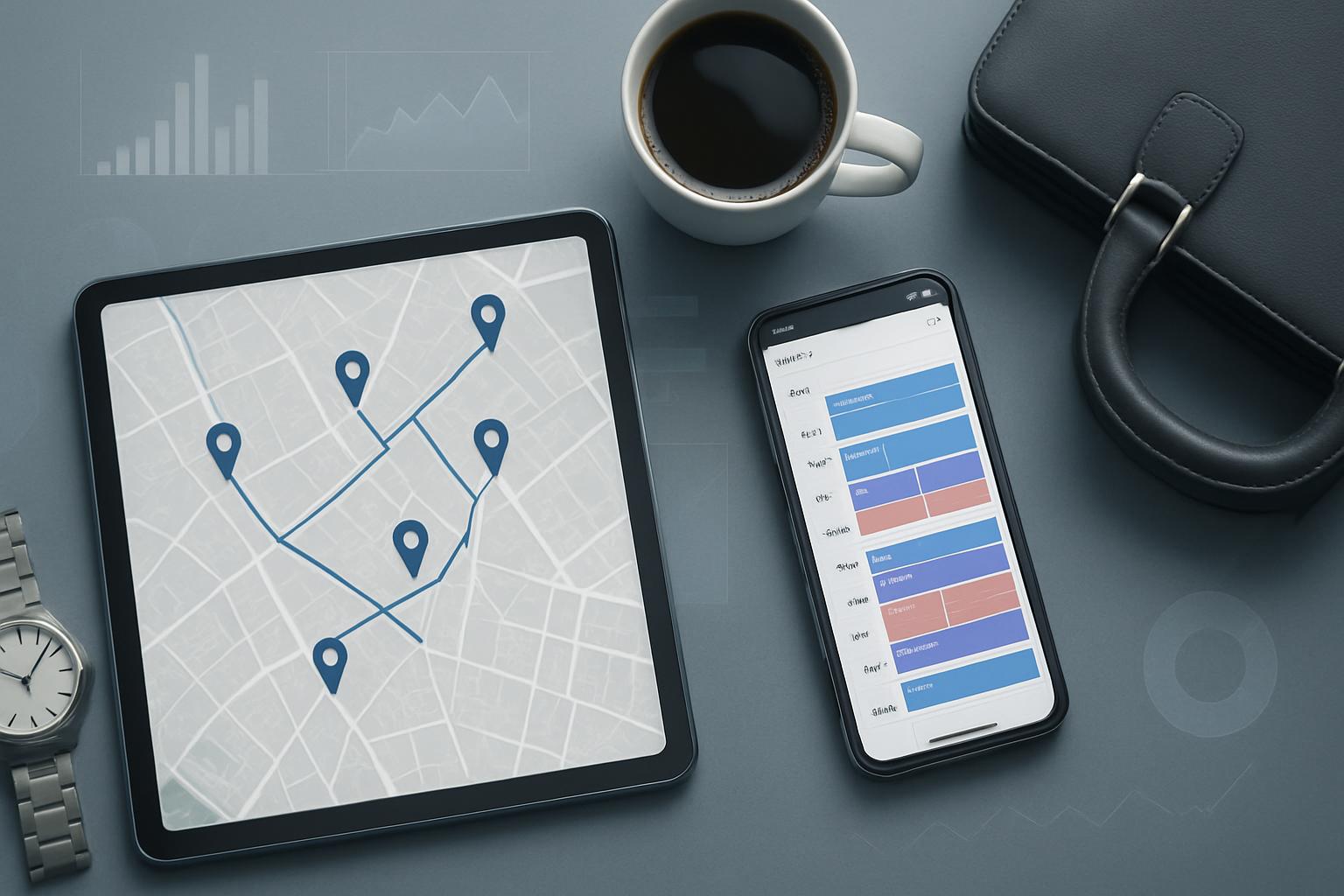
![Errand Route Optimization: Proven 2025 Guide [Save 40%]](https://nuxxt0us9k7umi1n.public.blob.vercel-storage.com/blog-covers/699daf728e8b68a85d6bc514_article-cd344a1e-7eb3-402b-bcd9-05ec7c3020ca.jpeg)
Introduction
Business professionals juggling meetings, travel, and strategic priorities often undervalue the time drain from recurring personal errands. Errand Route Optimization reframes those chores—grocery trips, dry cleaning, postal runs—as micro-sprints: short, deliberately-designed work blocks that minimize travel time and cognitive overhead. This article provides a practical, execution-focused guide to transform weekly errands into a predictable, efficient subsystem of your week.
What is Errand Route Optimization?
The concept
Errand Route Optimization is the practice of organizing, scheduling, and routing personal or small-team errands to minimize total time, distance, and task switching. It borrows principles from logistics (e.g., vehicle routing, clustering) and personal productivity (time-blocking, batching).
Business relevance
For professionals, the benefits are direct: more hours for strategic tasks, fewer context switches, reduced stress, and lower incidental costs (fuel, parking, opportunity cost). Organizations that encourage or model efficient errand planning for executives and support staff can see improved focus and organizational throughput.
Why Errand Route Optimization Matters for Business Professionals
Time and opportunity cost
Every hour spent on inefficient errands is an hour not spent on high-value work. When errands are fragmented across multiple days and locations, cumulative travel and transition costs escalate. Optimizing routing condenses those costs.
Reduced cognitive load
Task switching degrades performance. By batching errands into deliberate micro-sprints, you reduce decisions and preserve mental bandwidth for strategic tasks.
Environmental and financial impact
Shorter routes mean lower fuel consumption and parking fees. For teams, small efficiencies scale—apply optimized routes across an office or department to reduce fleet or ride-share expenses.
How to Turn Weekly Chores into High-Efficiency Micro-Sprints
Below is a step-by-step implementation guide tailored for busy professionals and small teams.
Step 1: Audit and prioritize tasks
Perform a 10–15 minute weekly audit. List every recurring errand and one-off chore you expect to complete in the coming week. For accuracy, track actual errands for 1–2 weeks before optimizing.
- List errands with location, approximate duration, deadline, and priority.
- Tag errands: must-do, flexible, delegable, or postponable.
- Identify errands that can be consolidated (e.g., bank + post office in same plaza).
Step 2: Grouping and zoning
Group errands by geographic zone and by required time window. The goal is to minimize backtracking and idle travel.
- Create 2–4 zones for your typical activity radius (e.g., home, office area, local errands, and specialized trip zones).
- Assign errands to zones and schedule those zones on specific days or time blocks.
- Use color-coding on a calendar or app tags for quick visual identification.
Step 3: Routing algorithms and tools
Use available routing tools to compute optimal sequences. Professionals don’t need to implement complex algorithms—several apps and features provide practical solutions.
- Use mapping apps with multi-stop routing (Google Maps, Apple Maps) for short lists.
- For more complex lists (8+ stops), use dedicated route planners (e.g., RouteXL, Circuit, OptimoRoute).
- Consider constraints: time windows, vehicle size, and deliveries/pickups.
When choosing a tool, prioritize speed and integration with your calendar. Exporting routes into a calendar event ensures you treat the route as a time-blocked commitment.
Step 4: Time-blocking micro-sprints
Micro-sprints are short, focused errand blocks ranging from 15 minutes to 90 minutes depending on scope.
- Define micro-sprints by zone and expected duration (e.g., 45-minute neighborhood grocery + pharmacy run).
- Schedule micro-sprints in low-cognitive windows (not immediately before high-focus meetings).
- Use calendar buffers: add 10–15% extra time to allow for unpredictable delays.
Step 5: Continuous improvement
After each week, review outcomes. Track metrics and adjust the plan.
- Metrics to capture: total time spent, total miles, number of trips, and errands completed per sprint.
- Adjust zones, sprint lengths, or delegation strategies based on performance.
- Scale successful patterns—encourage executive assistants or team members to adopt the method.
Quick Answers
Contextual Background: Logistics, the Traveling Salesman Problem (TSP), and Practical Limits
Routing optimization is related to classical operations research problems like the Traveling Salesman Problem (TSP), which seeks the shortest route visiting multiple points. While exact solutions are computationally expensive for large datasets, heuristics and modern route planning apps provide near-optimal solutions fast enough for personal and small-team use. For deeper reading on optimization theory, see foundational material on TSP and vehicle routing (e.g., academic summaries or encyclopedic entries).
Practical constraints for professionals include: time windows (store opening hours), transport mode (walking, driving, public transit), and human factors (fatigue, peak traffic). The recommended approach balances mathematical optimization with human-centric scheduling.
Source references: Wikipedia — Traveling Salesman Problem and practical routing tools like Circuit or RouteXL provide user-friendly implementations of routing heuristics.
Implementation Plan for Teams and Executive Support
For assistants and small teams, standardized errand processes scale efficiencies across people.
- Centralize errand requests via a shared list or ticketing system (Slack channel, shared spreadsheet, or task manager).
- Designate weekly routing windows and assign micro-sprints by zone.
- Standardize drop-off/pickup procedures and document preferred vendors and addresses to save time on repeat tasks.
- Use shared route-planning tools and sync planned micro-sprints with team calendars.
Example weekly plan (for an individual)
Sunday 15-minute audit and zone schedule. Monday: 45-minute neighborhood micro-sprint (groceries + pharmacy). Wednesday: 60-minute office-area micro-sprint (bank, post, dry cleaning drop-off). Saturday: 90-minute consolidated errands for home projects and bulk needs.
Key Takeaways
- Simple weekly audits and geographic batching convert random errands into efficient micro-sprints.
- Use multi-stop routing tools when you have 6+ stops; otherwise, basic maps plus time-blocking suffice.
- Measure time and distance to quantify savings; aim for 30–50% reduction in errand time.
- For teams, standardize requests and centralize planning to scale savings.
- Continuous improvement—review metrics weekly and adapt zones and sprint lengths.
Frequently Asked Questions
How quickly will I see benefits from errand route optimization?
Most people notice benefits within the first week of applying zoning and batching. Immediate gains come from reduced trips and fewer task switches; larger savings accrue as you refine zones and tools.
Which tools should I use for routing small numbers of stops?
For 2–5 stops, mainstream mapping apps (Google Maps, Apple Maps) are fast and sufficient. For 6+ stops or recurring weekly runs, route-planning apps (e.g., Circuit, RouteXL) offer multi-stop optimization and time-window constraints.
Can errands be delegated without increasing overhead?
Yes. Use clear instructions, preferred vendors, and shared addresses to reduce back-and-forth. Centralize requests via a shared list and assign a weekly micro-sprint to a delegate or assistant.
How do I incorporate time-sensitive errands into a batch schedule?
Tag errands with deadlines during your audit. Assign those with strict time windows to specific days or reserve flexible errands for consolidation. Use routing tools that support time-window constraints if necessary.
What metrics should I track to measure improvement?
Track total time spent on errands per week, total distance traveled, number of separate trips, and errands completed per micro-sprint. Compare week-over-week to assess gains.
Is this approach suitable for people who rely on public transit or walking?
Yes. Zone-based batching and micro-sprints apply across modes. Consider walkability and transit schedules when timing sprints, and prioritize nearby clusters to reduce transit transfers and waiting times.
Are there privacy or security considerations when using routing tools?
When using third-party tools, review privacy settings and avoid sharing sensitive addresses in public or shared accounts. Use team-level permissions for shared routing tools to protect personal data.
Scheduler
Hand your calendar to an assistant that never drops a thread.
Keep reading

The Science of the Meeting Buffer: What Brain Research Says About Back-to-Back Calls
Microsoft wired 14 people with EEG caps to test back-to-back meetings versus meetings with breaks. The stress data was specific enough that Microsoft changed how Outlook works.

Low-Prep External Intros: Proven Scheduling Frameworks Now
Cut Low-Prep External Intros: Scheduling Frameworks That Minimize Prep and Back-and-Forth for Brief Vendor and Prospect Calls. Read the expert analysis
Multi-Location Site Visit Scheduling: Proven Playbook
Optimize Multi-Location Site Visit Scheduling—visit 4–6 nearby offices/day with route optimization, timeboxing, and buffers. Get the full breakdown